
EXC 2122 - PhoenixD: Photonics, Optics Engineering - Innovation Across Disciplines


 ©
pixabay.com
©
pixabay.com
Picture: Technology, processor
Speaker:
Prof. Dr. Uwe Morgner
Leibniz University Hannover
The aim of the research association is to develop optical precision instruments quickly and cost-effectively from additive manufacturing. Scientists from mechanical engineering, physics, electrical engineering, computer science and chemistry work together on the simulation, fabrication and application of optical systems. Up to now, optical lenses made of glass and the surrounding housing have been manufactured in several steps - often by hand. In the research network, experts from the various disciplines are working on a digitalized manufacturing system that can produce individualized products.
Participating institutions:
- Leibniz University Hannover
- TU Braunschweig
- Laser Zentrum Hannover e.V.
- Max Planck Institute for Gravitational Physics
Source: phoenixd.uni-hannover.de
EXC 2123 - QuantumFrontiers - Light and Matter at the Quantum Frontier


 ©
QuantumFrontiers
©
QuantumFrontiers
Picture: Logo QuantumFrontiers
Speaker:
Prof. Dr. Piet Oliver Schmidt
Physikalisch-Technische Bundesanstalt
In the Cluster of Excellence QuantumFrontiers, we use light and matter to extend the foundations of and applications in metrology beyond the quantum limit. Partners in the Cluster are Leibniz Universität Hannover, TU Braunschweig, and Physikalisch-Technische Bundesanstalt.
Participating institutions:
Quelle: quantumfrontiers.de
EXC 2163 - Sustainable and Energy Efficient Aviation (SE²A)
 ©
TU Braunschweig
©
TU Braunschweig
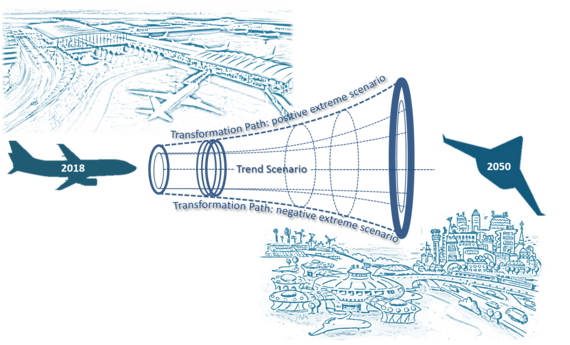
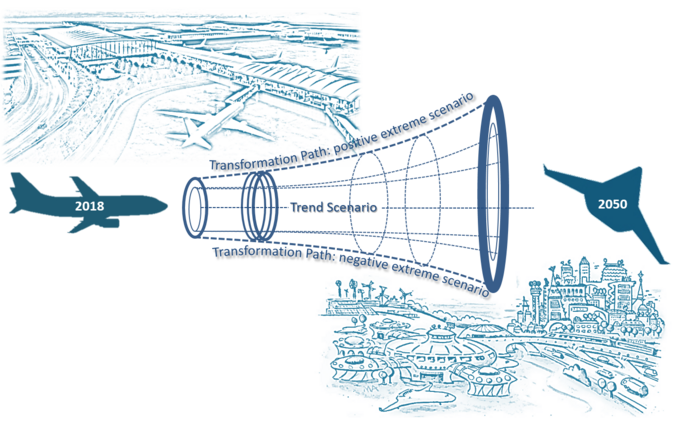
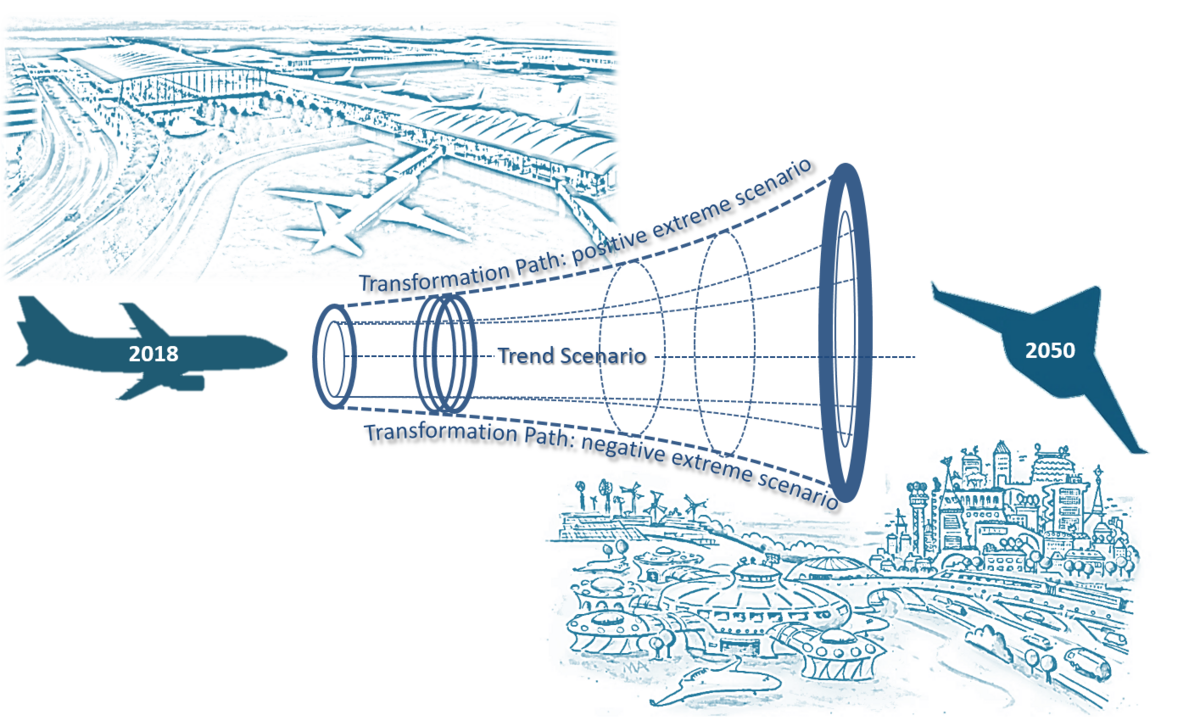
Picture: Sustainable and Energy Efficient Aviation
Speaker:
Prof. Dr.-Ing. Jens Friedrichs
TU Braunschweig
The SE²A Cluster of Excellence is an interdisciplinary research project with the aim of exploring technologies for the sustainable and environmentally compatible development of air traffic. In the cluster, scientists from aviation, electrical engineering, energy, chemistry and design work on reducing emissions, lowering noise pollution, making air transport systems recyclable and further developing air traffic management. On the part of Leibniz Universität Hannover, the Institute of Turbomachinery and Fluid Dynamics under the direction of Prof. Dr.-Ing. Jörg Seume is involved in this cluster.
Participating institutions:
- Leibniz University Hannover
- German Aerospace Center
- Braunschweig University of Art
- Physikalisch-Technische Bundesanstalt
Source: tu-braunschweig.de/se2a
EXC 2177 - Hearing4all


 ©
Hearing4all
©
Hearing4all
Picture: Logo Hearing4all
Speaker:
Prof. Dr. Birger Kollmeier
Carl von Ossietzky University Oldenburg
Goal of the Cluster of Excellence Hearing4all is literally improved hearing experience for all – all people, all situations, at all times. We are working on improving audiological diagnostics, and developing improved rehabilitative strategies based on that. Our work focusses on fundamental, model-based research for diagnostics and auditory profiling of human hearing, be it normal hearing or even severely impaired. Using a model-based approach enables us to individualize treatment of hearing loss with adequate hearing instruments, adapting to individual needs and to the acoustic environment.
Participating universities:
Quelle: hearing4all.eu