
CRC/TRR 298 Safety Integrated and Infection Reactive Implants
 ©
pixabay.com
©
pixabay.com
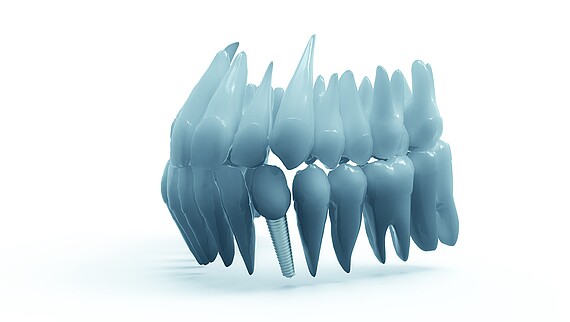
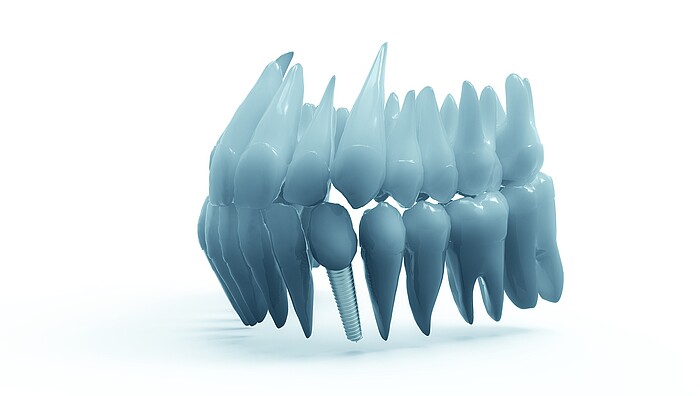
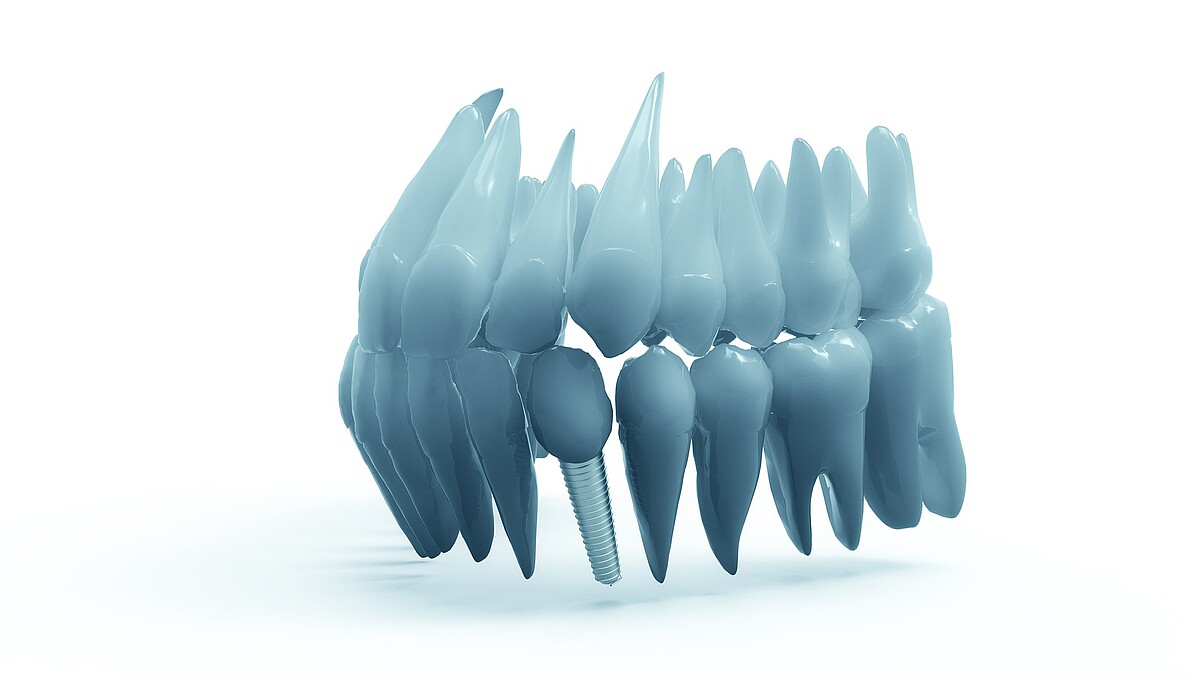
Image: Dental implant
Speaker:
Prof. Dr. Meike Stiesch
Hannover Medical School
In the CRC/TRR SIIRI 298 researchers from a wide range of disciplines want to work together to develop intelligent implant systems for dentistry and orthopaedics, as well as hearing implants, which for the first time use state-of-the-art technology to allow continuous monitoring of implant function and thus early detection of complications such as infections. This will enable early therapeutic intervention to combat these infections, some of which are life-threatening.
Participating institutions:
- Hannover Medical School
- Leibniz University Hannover
- Helmholtz Centre for Infection Research (HZI) Braunschweig
- Hanover University of Music, Drama and Media Hannover
- TU Braunschweig
Source: dfg.de
CRC 871 - Regeneration of complex capital goods
 ©
MTU Aero Engines
©
MTU Aero Engines
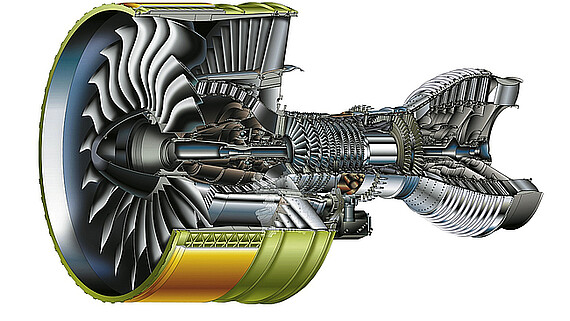
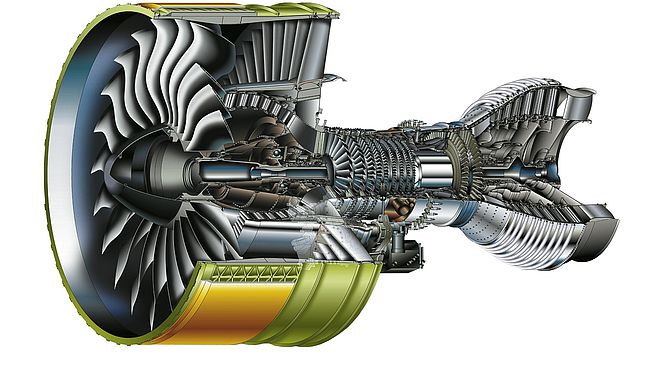
Picture: Aircraft turbine
Speaker:
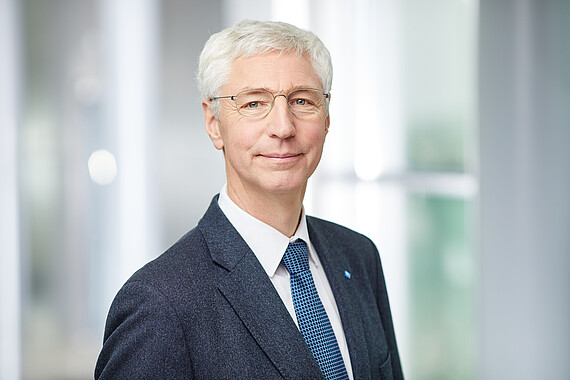
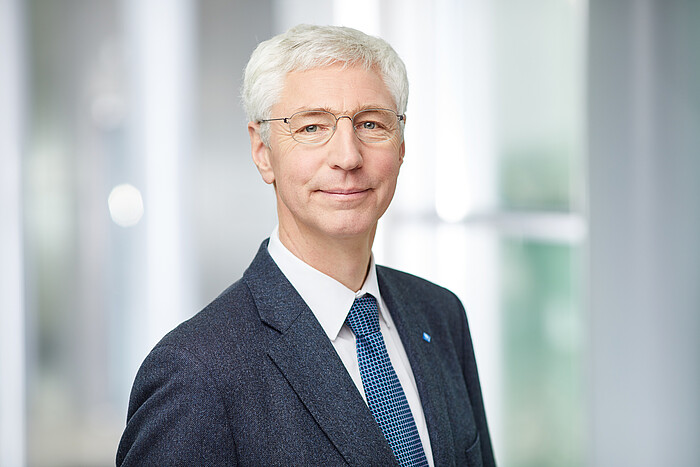
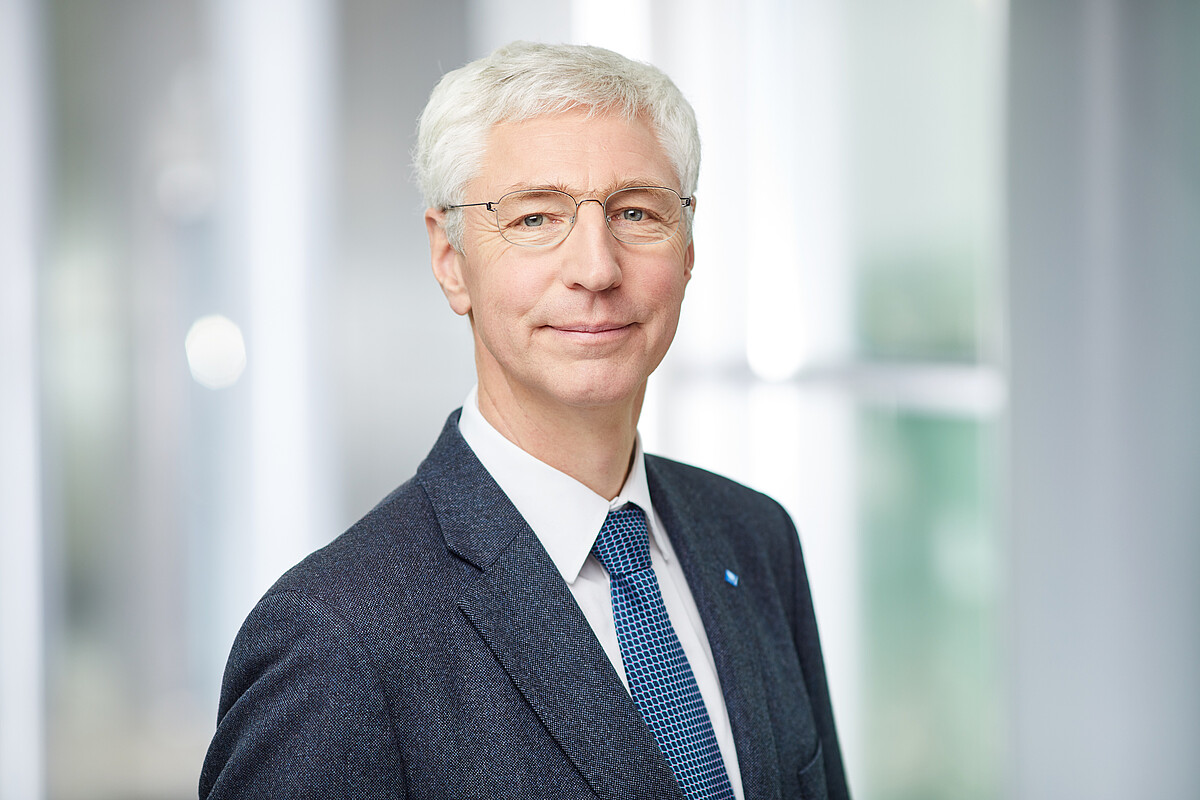
Prof. Dr.-Ing. Jörg Seume
Leibniz University Hannover
The CRC 871 "Regeneration of Complex Capital Goods" aims to develop scientific principles for the repair of complex capital goods. The aim is to preserve or recondition as many components of the relevant overall system as possible so that the functional properties of the capital goods are restored and, ideally, improved.
Participating institutions:
Source: sfb871.uni-hannover.de
CRC 1153 - Process chain for the production of hybrid high-performance components through tailored forming

 ©
sfb1153.uni-hannover.de
©
sfb1153.uni-hannover.de
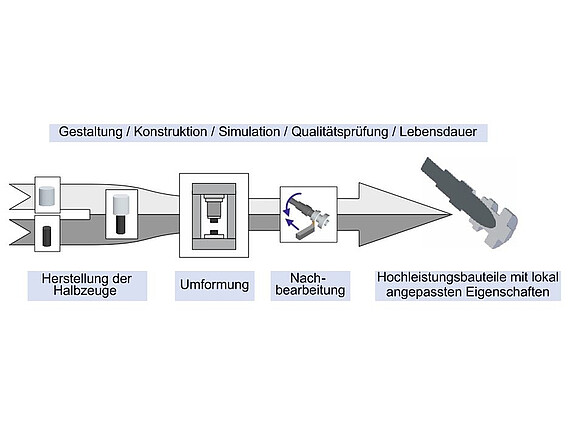
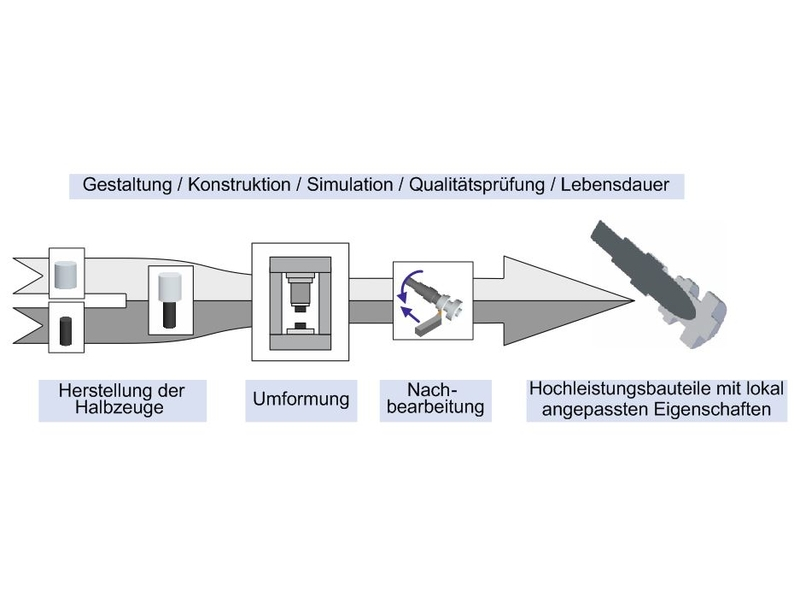
Picture: Process chain
Speaker:
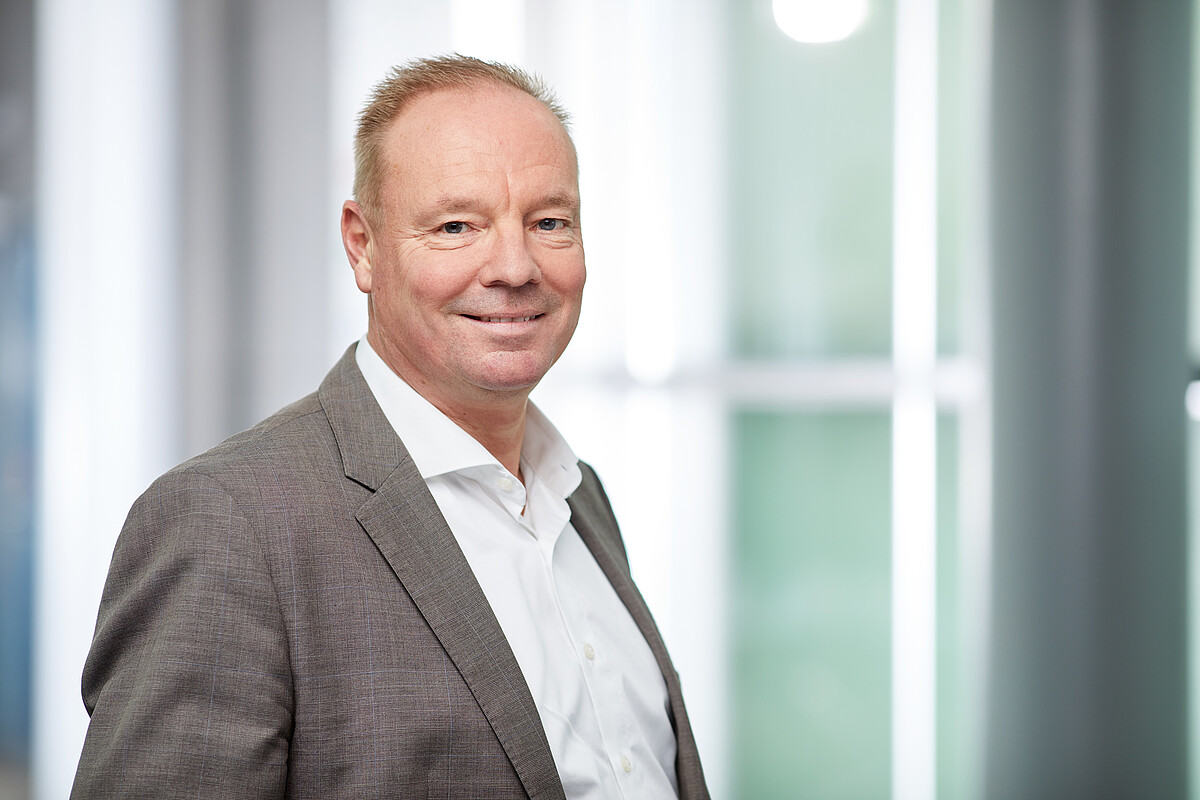
Prof. Dr.-Ing. Bernd-Arno Behrens
Leibniz University Hannover
The aim of the CRC 1153 "Process chain for the production of hybrid high-performance components through tailored forming" is the realisation of a novel process chain for the production of load-adapted hybrid solid components using joined semi-finished products. In this way, components can be produced which can meet the required requirement profiles of the different structural and functional areas in the component much better than current components made of mono-materials.
Participating institutions:
- Institute for Integrated Production Hannover
- Laser Centre Hannover e. V.
- Technical Information Library
Source: sfb1153.uni-hannover.de
CRC 1368 Oxygen-free production: processes and effective zones in an oxygen-free atmosphere for the development of sustainable production techniques and manufacturing processes

 ©
sfb1368.uni-hannover.de
©
sfb1368.uni-hannover.de
Logo: CRC 1368

Speaker:
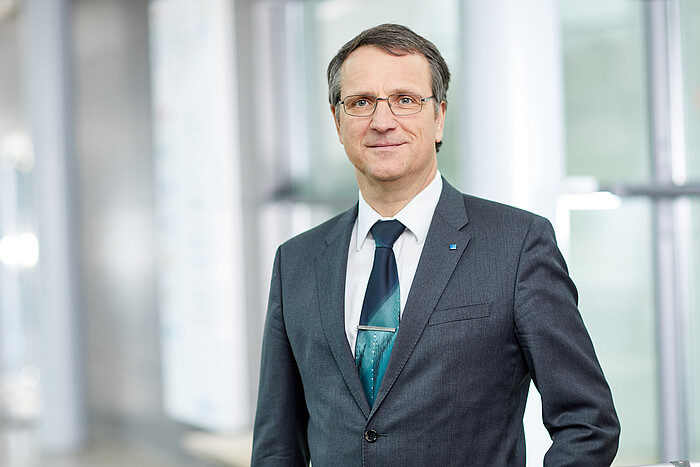
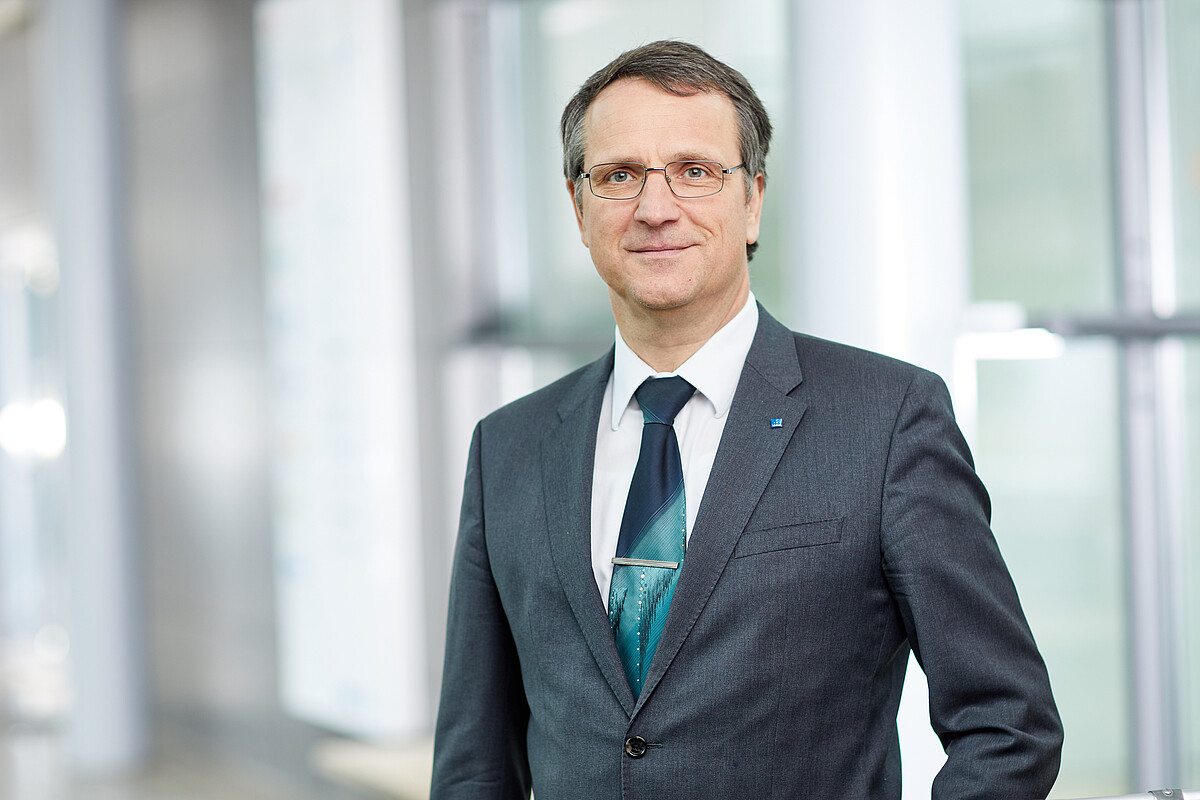
Prof. Dr.-Ing. Hans Jürgen Maier
Leibniz University Hannover
The CRC 1368 investigates the processes and mechanisms in processes of manufacturing, assembly and handling technology under (technically) complete exclusion of oxygen in order to gain a fundamental understanding of them and to open up a new field of research in oxygen-free production.
Participating institutions:
Source: sfb1368.uni-hannover.de